
Community Partner · High Country & Agriculture
The High Desert Settlements
Dispersed communities of the cold high country — agricultural labor, infrastructure maintenance, isolated logistics, and deep mutual aid. They know what distance and precarity actually do to learning and work, and they expect to be heard, not spoken about.
Who We Are
If People Can’t Reach It, You Built It for Someone Else
The High Desert Settlements are the sparsely populated communities of the upper valley’s cold, barren high country — migrant agricultural labor, infrastructure maintenance crews, and the isolated logistics that keep remote work moving. They share deep family ties with their cousins in Pueblo de la Fuente below, and they hold the kind of hard-won practical expertise and mutual aid that isolation demands and rewards.
Their formal institutional power is smaller than the tribes’ or the Alliance’s — which is exactly why their voice matters here rather than being spoken for. Their authority is moral and experiential: they know what distance, intermittent connectivity, and precarity actually do to a program on paper, knowledge the valley’s planners in the Urban Hub simply lack.
Anything built for the High Desert has to account for the two frozen hours to a job site, the days that cannot be taken off, and the fact that people here keep the region’s food and infrastructure moving in conditions most never see.
At a Glance
| Leadership | Tomás Reynoso, community broker |
| Work | Agriculture, infrastructure, logistics |
| Authority | Moral & experiential |
| The test | Can people actually reach it? |
Leadership
Community Broker
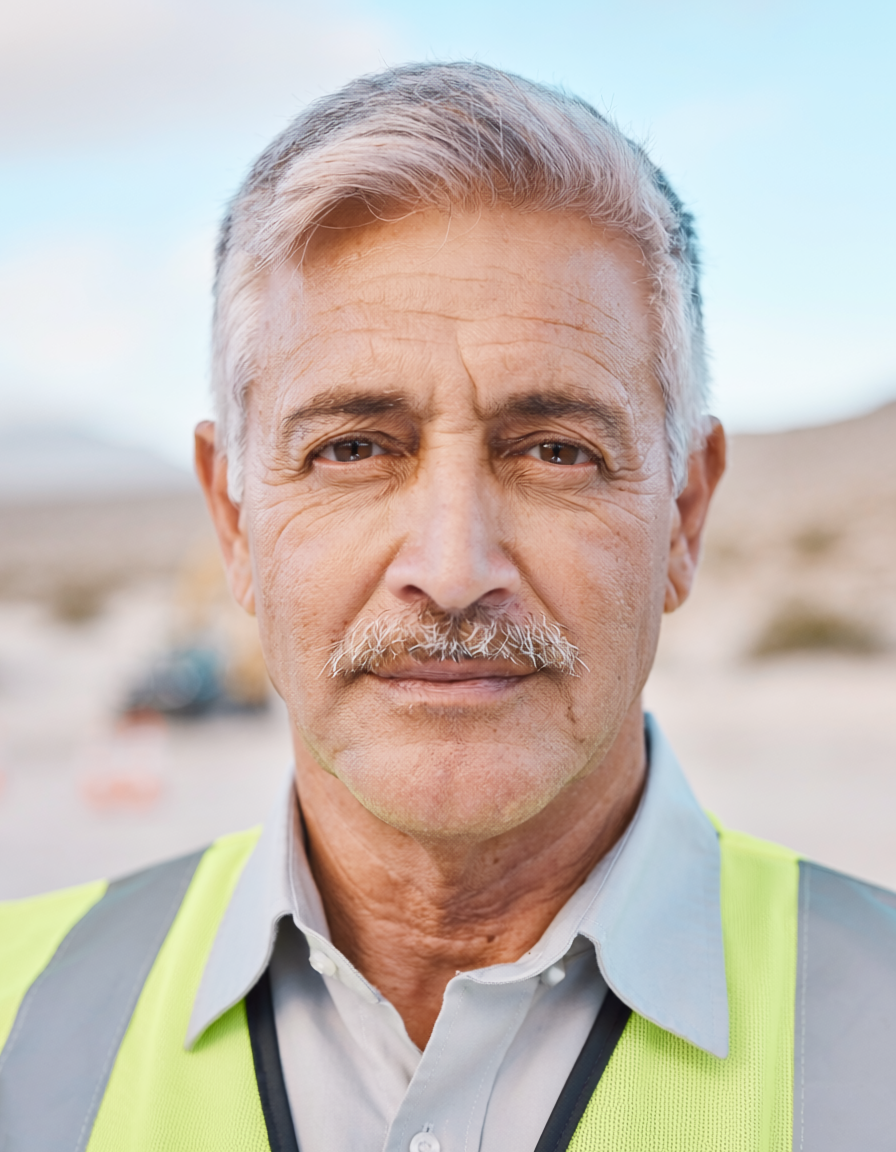
Tomás Reynoso
Foreman & Community Broker · High Desert Settlements
Reynoso moves between work sites across the high country, acting as the trusted broker between scattered families and any outside institution that comes looking. He is skeptical of programs designed by people who have never driven the two frozen hours to a job site, and protective of communities that hold deep mutual aid and practical expertise. He wants anything built for the High Desert to account for distance, intermittent connectivity, and the plain fact that people here cannot stop working to attend a class — and he is right about the gap between a program on paper and one a tired person can actually reach.
“You can build the best training in the world. If it lives somewhere we can’t get to, on a day we can’t take off, you built it for someone else.”
Current Priorities
What the Settlements Are Working Toward
Reachable
Designed for Distance
Programs must work across long distances and intermittent connectivity — meeting people where they are rather than where it is convenient to deliver.
Around the Work
Built for Working Lives
Training has to fit lives that cannot pause for it — scheduled around seasons, shifts, and the days that simply cannot be taken off.
Heard, Not Handled
A Voice at the Table
The Settlements expect to inform the design of anything built for them, contributing the on-the-ground knowledge planners lack.
The Settlements on FlyForward
The High Desert could supply willing workers to the region’s transition — if the programs are sited and scheduled so its people can actually reach them. The Settlements offer FlyForward something its planners need: a clear-eyed account of access, logistics, and the distance between a well-designed program and one a tired person can get to after a full day’s work.
— High Desert Settlements, via Tomás Reynoso